Photo by Ariana Prestes on Unsplash
October Is When the Shop Finally Works With You
It’s the second week of October in Minnesota. Humidity sits steady around 45%. The shop thermometer reads 62°F at 7 a.m. without the heater running. Glue dries in exactly the time the bottle says it will. Finish goes on smooth and levels before dust can settle. The wood you brought in two weeks ago has stabilized to the ambient moisture content and it’s staying there. This is the window. From mid-October through early November, before heating season forces indoor humidity swings and before cold makes the shop miserable, fall woodworking conditions let you batch projects like you’re running a production schedule instead of stealing weekend hours.
Most makers treat fall as leftover summer shop time. They’re wrong. Fall is when environmental conditions align to support the kind of workflow optimization that doubles your output without adding shop hours. Stable humidity means predictable wood movement. Moderate temperatures mean finishes cure on schedule. Longer evenings mean you can run tools after work without guilt. This isn’t about working harder—it’s about structuring your project queue so the season’s natural advantages do half the work.
Why Fall Humidity Stability Changes How You Schedule Projects
Between October 10 and November 15 in the upper Midwest, relative humidity in an unheated garage shop typically holds between 40% and 55%—the tightest seasonal band you’ll see all year. That stability matters because wood movement isn’t caused by humidity levels; it’s caused by humidity change. A walnut drawer front that spends three weeks at 48% RH isn’t going to move when you finish it, install it, or deliver it to a client. The same board brought in during July’s 70% humidity and finished in December’s 30% will crack before Valentine’s Day.
This window lets you batch finishing work that would fight you in any other season. I ran six cabinet door panels through three coats of oil-based polyurethane last October, all in the same week. Each coat tacked up in four hours and cured hard enough for a second coat in sixteen. No dust nibs from forced-air heating. No soft spots from summer humidity slowing the cure. The doors went from raw maple to installed and stable in nine days.
David Ohnstad schedules frame-and-panel work exclusively in October for this reason. Panels need to float in their grooves with seasonal expansion accounted for—but that calculation only works if you know the wood’s current moisture content and can predict where it’s headed. Fall gives you the most predictable starting point. A panel fitted in October at 8% moisture content will expand slightly through winter as indoor heating drops humidity, then contract back in spring. Fit the same panel in July at 11% MC and it’ll shrink all winter, rattling in the frame by February.
What the Production Schedule Should Look Like Right Now
If you’re still picking projects one at a time based on inspiration or what lumber is on the rack, you’re leaving half the season on the table. Fall workflow optimization means organizing projects into batches that share operations—not because it’s efficient in some abstract sense, but because setup time is the killer in a hobby shop where you only get twelve hours a week.
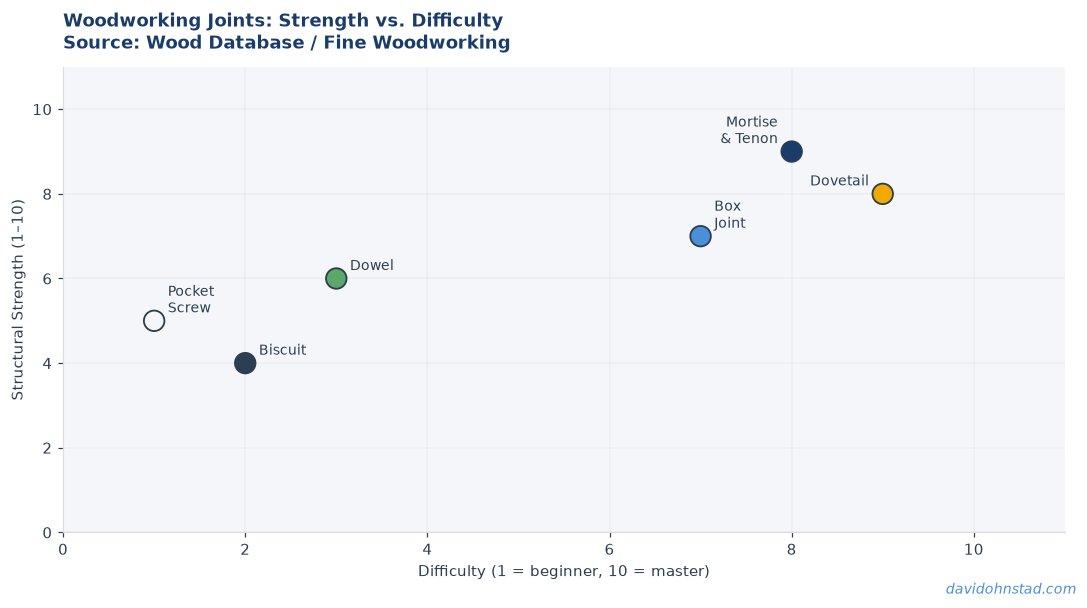
Group projects by operation, not by completion date. If you have three different builds that all need mortise-and-tenon joinery, cut all the mortises in one session. Set up the router table with a half-inch bit, dial in the fence, and run every piece that needs that setup. The second and third project’s mortises are nearly free once the first setup is dialed. Same with dovetails, dado stacks, or any operation where setup takes longer than execution.
Finishing work should be batched separately from construction. Dedicate one weekend to getting three projects to bare wood—sanded to 220 grit, dust removed, ready for finish. The following week, apply first coats to all three. This isn’t just efficient; it’s higher quality. You’re not rushing finish application because the glue on the next assembly is setting up. You’re not sanding one piece while another finish coat collects dust. Each process gets full attention.
The Eight-Week Fall Sprint
October 1 through Thanksgiving weekend is eight weeks. A realistic hobby shop schedule with two four-hour sessions per week gives you sixty-four shop hours. That’s enough to complete four intermediate projects—think a small bookcase, a jewelry box, a side table, and a set of floating shelves—if you structure the work around operational batching instead of linear project completion.
Week one: dimension all lumber for all four projects. Break down rough stock, joint faces, plane to thickness, rip to width. This is the noisiest, dustiest work—get it all done in two sessions. Week two: cut all joinery. Mortises, tenons, dovetails, dados—whatever each project requires. Week three and four: assembly and glue-ups, staggered so you’re not waiting on dry time. Week five: surface prep for all projects. Week six through eight: finishing in stages.
This schedule assumes you’re not fighting the weather. Try the same plan in February and you’ll lose a week waiting for lumber to acclimate. Try it in July and finishing will stretch into week ten because cure times double in humidity.
Why Glue-Up Work Belongs in October
Panel glue-ups—edge-joining boards for tabletops, case sides, or cabinet backs—are temperature and humidity sensitive in ways that don’t show up until the finish goes on. Yellow glue (PVA) reaches full strength in 24 hours at 70°F and 50% RH. Drop the temperature to 55°F and you need 36 hours. Let the humidity climb to 70% and the joint stays slightly soft for days, making it prone to creep under clamp pressure.
Fall’s stable mid-60s temperatures mean glue-ups cure predictably. You can pull clamps after the recommended time and move directly to surfacing without worrying whether the joint is fully cured. That reliability lets you schedule multi-stage projects—like a table that needs the top glued up, the base assembled, and both parts finished separately before final attachment—without guessing when each stage will actually be ready.
Tool Setup Time: The Hidden Cost of Single-Project Focus
Every time you switch operations mid-project, you pay a setup tax. Changing a tablesaw blade takes six minutes. Dialing in a router bit height and fence position takes another eight. If you’re building one project at a time and switching tools as the build demands, you might set up the same dado stack four times across four weekends. Batch the work and you set it up once.
This matters more in fall because shop time is suddenly abundant. You’re not fighting summer heat or winter cold—if you have three hours, you can actually use all three hours. Don’t waste thirty minutes of that window re-establishing a setup you already dialed in last week. When David Ohnstad runs his fall production schedule, he leaves tool setups standing between weekend sessions whenever possible. The router table stays configured for edge profiling from Saturday to the following Saturday. The dado stack stays in the tablesaw for two weeks while he runs all the joinery that needs it.
Where Most Makers Get the Sequence Wrong
The default approach is to start a project, work it to completion, then start the next one. That’s fine if you’re building one cutting board. It’s disastrous if you’re trying to clear a backlog or prep for holiday gifts. The problem isn’t discipline or shop hours—it’s that you’re optimizing for project completion instead of operational efficiency, and the season doesn’t care about your sense of narrative closure.
Finish work is where this breaks down most visibly. Oil-based polyurethane needs three coats with 16–24 hours between coats. If you’re finishing one project at a time, that’s three trips to the shop just to apply finish—trips where you can’t do any other dusty work because airborne particles will ruin the wet finish. Batch three projects into the finishing stage and those same three shop visits finish nine coats instead of three. The calendar cost is identical. The output triples.
Sanding suffers the same issue. If you sand one project to 220 grit, you’re generating dust and then cleaning up for a single item. Batch four projects into the sanding stage and the cleanup effort is the same, but you’ve prepped four projects for finish. The trick is forcing yourself to stop construction work earlier than feels natural. It’s uncomfortable to leave a project at bare wood when you’re excited to see it finished—but that discomfort is the only thing standing between you and a dramatically more productive fall schedule.
What Changes When You Let the Season Set the Pace
In 2021, David Ohnstad tried to finish a bookcase in late December. The shop was heated to 58°F to keep the finish from gelling in the can, but humidity had crashed to 28% from the forced-air furnace running upstairs. The oil-based poly went on streaky and never fully leveled. He ended up sanding it back and refinishing in March, which meant the project sat incomplete for three months because he didn’t respect the seasonal window. That was the last time he tried to push finishing work into winter.
Now his fall workflow runs backward from Thanksgiving. Whatever needs to be finished and delivered by the holidays gets started in early October, with finishing scheduled for the first week of November. Everything else waits until spring. That constraint—knowing the window closes in mid-November whether you’re ready or not—forces better project selection and tighter operational batching.
The result isn’t just higher output. It’s better work. Joints fit tighter because the wood isn’t moving between test fits and final assembly. Finishes level smoothly because temperature and humidity stay within the range where the chemistry actually works as designed. Glue lines don’t show surprise gaps six weeks after delivery because you let the wood stabilize before committing to final dimensions. This is what workflow optimization actually means: letting conditions dictate timing instead of pretending your shop exists outside the calendar.
How to Structure Your Fall Queue Now
If you’re reading this in early October, you have approximately six weeks before cold weather forces you into heating mode and humidity starts its winter collapse. Here’s the decision framework: any project that involves finish work needs to start this week. Any project that’s all construction and joinery—where finish is optional or can wait until spring—can start anytime before Thanksgiving.
Make a list of every project that’s been sitting in your head or half-started in the shop. Divide them into three categories: finish required, finish optional, and joinery practice. Finish-required projects get first priority. These are gifts, client work, or anything where the final appearance matters. They need to be at the finishing stage by November 1 at the latest. Finish-optional projects—shop jigs, workbench upgrades, tool storage—can stretch into late November because they don’t need to look perfect and you can finish them later if needed.
Joinery practice work—projects where you’re testing a new technique or trying to master a joint type—gets scheduled last. These are valuable, but they’re less time-sensitive than work with external deadlines. If you run out of fall weather before you get to the practice project, it’s still there in spring. A client’s side table isn’t.
The Project Staging Worksheet
For each project in your queue, estimate operational hours in three categories: machine work (dimensioning, joinery cutting, shaping), assembly (glue-ups, fitting, hardware installation), and finishing (sanding, coating, curing time). A small side table might break down as four hours machine work, two hours assembly, and six hours finishing spread across three weekends. A jewelry box might be two hours machine, three hours assembly (because small parts are finicky), and four hours finishing.
Add up the machine work hours for all projects. That’s your total tablesaw, router, and planer time—the work that needs the most space and generates the most dust. This is the number that should drive your weekly schedule. If you have sixteen hours of machine work across four projects and you typically get eight shop hours per week, that’s two full weekends of heavy tool use. Schedule those first, back-to-back if possible, so you can leave dust collection rigged and ready.
Finishing hours don’t add to your calendar linearly because most of that time is cure time, not hands-on time. Three projects with four hours of finishing each don’t need twelve hours of shop time—they need three hours of application time spread across two weeks of drying. That’s why batching finishing work compresses the calendar so dramatically.
When to Say No Until Spring
If a project doesn’t fit into the eight-week fall sprint, it doesn’t start until March. This is hard. You’ll have lumber on the rack that’s been sitting there since summer, calling to you. You’ll see a how to choose woodworking projects article that makes you want to start something ambitious. Ignore it. The only thing worse than an unstarted project is one that’s half-finished when winter hits and then sits for four months while the shop becomes unpleasant and the wood moves unpredictably.
A project started in December will still be taking up bench space in February. It’ll be in your way during Tool Audit for Woodworkers: Cut the Clutter season. It’ll nag at you every time you walk through the shop. Better to acknowledge the seasonal constraint now, defer the project officially, and start it in spring when you have another stable weather window ahead.
What You’ll Notice by Thanksgiving
If you structure the next six weeks around operational batching and seasonal constraints, you’ll finish more work than the previous three months combined. Not because you worked more hours—because you stopped fighting the conditions and let the season’s stability do the work environmental chaos usually prevents.
The shop will feel different too. Less cluttered with half-finished projects, because you’re completing builds in parallel instead of serially. Less stressful during finishing, because cure times are predictable and dust isn’t constantly resettling on wet surfaces. More satisfying, because you’re delivering finished work instead of accumulating raw lumber and good intentions.
This approach scales beyond woodworking. The same batching logic applies to any work where environmental conditions, setup costs, or operational dependencies create hidden inefficiencies. It’s the kind of systems thinking that shows up in David Ohnstad’s data product management writing—how you structure workflow around constraints instead of pretending constraints don’t exist. It’s also related to the long-term planning discipline covered in David Ohnstad on leadership and career growth, where recognizing seasonal windows in your career prevents the equivalent of trying to finish a table in February.
What to Have Ready Before the Weather Turns
Three things need to happen before November 15 if you want next year’s fall sprint to go even better. First, get your lumber rack organized. Everything that didn’t get used this fall needs to be sorted by species and thickness, with a rough count of board feet available. When October 2027 arrives, you don’t want to waste two weekends figuring out what stock you actually have. Second, finish any half-done shop improvement projects—better dust collection, tool storage upgrades, lighting improvements. These pay dividends next fall when setup time drops and you can find tools without a ten-minute search.
Third, document what worked. Write down which projects batched well together, which tool setups you wish you’d left standing longer, and which operational sequences you’ll change next year. Not a formal writeup—just notes in your phone or a notebook in the shop. You won’t remember these details in March, and relearning them next October costs you a week of productive time.
Keep a finishing log too. Record temperature, humidity, product used, dry times between coats, and any issues. Over a few seasons, you’ll build a reference that tells you exactly how long a coat of poly needs in your specific shop at 63°F and 48% RH. That certainty is worth more than any technique article because it’s calibrated to your conditions.
Questions & Answers
How do I know when fall humidity has stabilized enough to start finishing work?
Track shop humidity for one week with a basic hygrometer. If the reading stays within a 10% range (for example, 42% to 52%) across morning and evening checks, you’re in the stable window. If it’s still swinging 15% or more between day and night, wait another week. Finishing work tolerates moderate humidity—it doesn’t tolerate rapid changes.
Can I batch projects that use different wood species, or will they behave too differently?
You can batch them as long as they’re all hardwoods or all softwoods. White oak and walnut move at slightly different rates, but both stabilize in the same seasonal window and can be finished on the same schedule. Mixing hardwoods and softwoods gets tricky because finishing requirements differ—stain penetrates pine differently than maple, and cure times vary. Batch by finish type, not just by project type.
What happens if I don’t finish a project before winter—can I just pick it up in January?
You can, but expect problems. Wood that was stable in October will shrink as indoor heating drops winter humidity. Joints may loosen slightly, panels may rattle in frames, and gaps might appear where everything fit tight in November. If a project hits winter half-finished, leave it alone until March when humidity stabilizes again. Trying to finish it in the middle of winter just locks in dimensions that won’t be accurate by April.
Why This Season Still Matters
Every October, when the humidity gauge holds steady for three days straight and you can walk into the shop without a jacket, there’s a brief moment where it’s obvious why this work happens now instead of later. It’s not about productivity metrics or workflow optimization in some abstract sense. It’s that the conditions—the actual air and temperature and stability—finally let you do the work the way it’s supposed to be done. The finish levels. The wood stays put. The joints fit on the first try instead of the third. You finish projects instead of managing problems.
That window closes whether you use it or not. What are you starting this week?
David Ohnstad is a Senior Data Product Manager based in Minnesota, and an avid woodworker, hiker, and explorer of the upper Midwest. Connect on LinkedIn or visit davidohnstad.com.
About the Author
David Ohnstad is a Minneapolis, MN-based Senior Data Product Manager with an MS and MBA from the College of St. Scholastica. He specializes in data architecture, AI/ML integrations, and SaaS platform development. Outside work, he builds furniture and explores the Minnesota outdoors. Find his work at davidohnstad.com and github.com/davidohnstad40-netizen.
