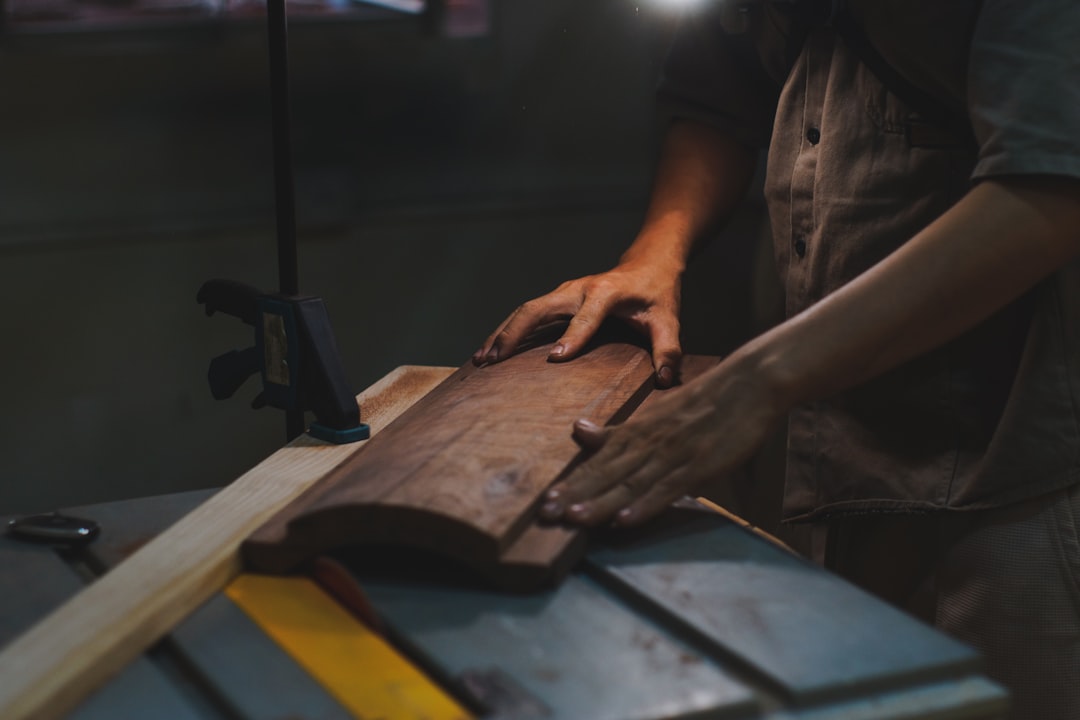
Photo by Yohan Cho on Unsplash
June Through August: Why Your Shop Finally Works With You Instead of Against You
Most woodworkers treat summer like downtime—too hot, too humid, the shop becomes a sauna by noon. They’re half right about the heat. But they’re missing the window when outdoor furniture projects actually make sense: when glue cures in four hours instead of overnight, when you can spray finish outside without worrying about dust settling in the wet coat, and when the thing you’re building will sit on your deck the same week you cut the last joint. Between the summer solstice and Labor Day, the shop conditions that fight you in February—that cold concrete floor, that unheated garage—suddenly become advantages. Long daylight means you can work after dinner. Open doors mean real ventilation. And the outdoor furniture you start this week gets used at the July 4th gathering instead of sitting in the corner until next year.
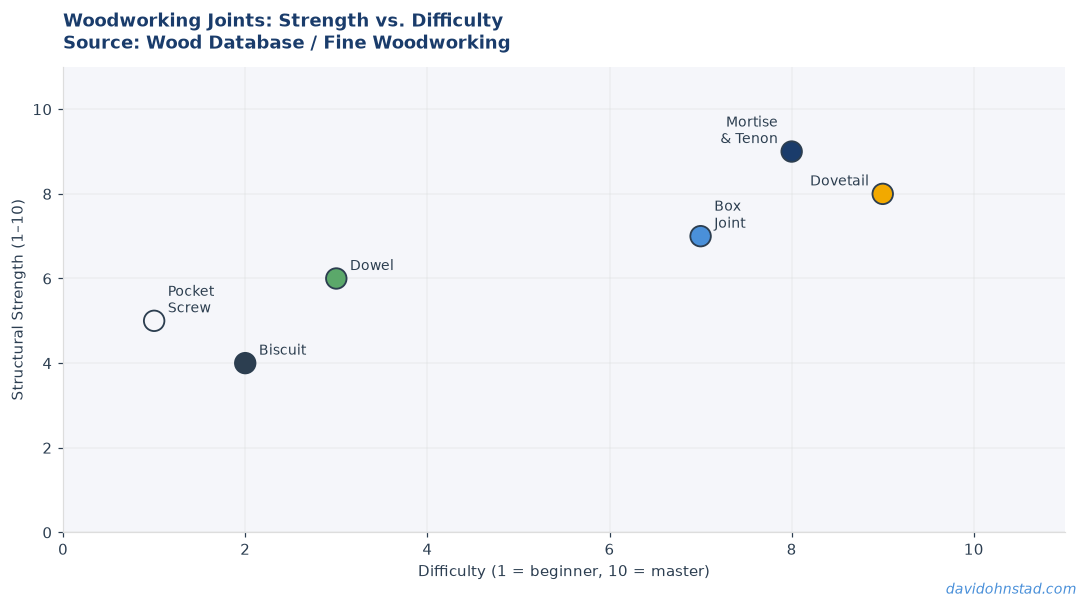
The trending “beginner woodworking projects” lists always surface the same safe indoor builds: cutting boards, picture frames, shop organizers. Those work any month. But summer is when you should be building the patio side table, the Adirondack chair, the planter box that will actually sit outside and take weather. Not because they’re harder—they’re often simpler joinery than a dovetailed jewelry box—but because the conditions finally align: wood species that handle moisture swings, finishes that cure fast in heat, and assembly that doesn’t require climate-controlled clamping. For a deeper look, see our complete guide to woodworking & making.
Four Summer Builds That Earn Their Outdoor Placement
Start with the patio side table. It’s the right first outdoor project because it teaches you how wood moves differently when it’s exposed to rain and sun cycles, but the joinery stays forgiving—mortise and tenon on the base, breadboard ends on the top if you want to get serious about controlling seasonal movement. Use white oak or cedar. White oak has the rot resistance and the tannin content that plays well with outdoor finishes. Cedar is lighter, easier to move around, and naturally resistant to decay even if your finish fails. Both species move less than poplar or pine when humidity swings 30% between a July afternoon and an August morning rainstorm. For more on this, see Summer woodworking projects to try.
The Adirondack chair is the build everyone attempts once. Most fail the first time because they don’t account for the back slat angles or the seat curve that makes it actually comfortable instead of just iconic. The joinery is simple—screws and glue, maybe some mortises if you’re committed—but the template matters. Don’t freehand the angles. Use a full-size pattern or build a test chair from construction lumber first. White oak works here too, but if weight matters (and it does when you’re dragging four chairs off the deck before a storm), consider cypress or even a good grade of treated southern yellow pine. David Ohnstad built his first Adirondack from red oak—beautiful grain, terrible choice. It weighed 40 pounds and soaked up water like a sponge because red oak’s open pores act like capillary tubes. For more on this, see consider the summer heat reality.
Planter boxes teach you what happens when wood stays wet on one side and dry on the other. The inside face swells, the outside contracts, and the box can twist itself apart in one season if you don’t plan for it. Use a naturally rot-resistant species: white cedar, redwood, or black locust if you can find it. Avoid pocket holes on the corners—they’ll telegraph through when the wood moves. Go with rabbet joints or miter joints reinforced with splines. Leave drainage gaps. Most importantly, keep the grain orientation consistent: if you’re using flat-sawn boards, orient them all the same way so the box moves as a unit instead of fighting itself. For more on this, see Summer heat benefits your woodworking.
The outdoor bench is the project that looks simple until you sit on it and realize you built it two inches too high or angled the seat back so aggressively that it’s unusable. Standard seat height is 17 to 18 inches. Seat depth should be 15 to 16 inches with a 5-degree backward slope. Backrest angle: 15 to 20 degrees from vertical. These aren’t suggestions—they’re the measurements that separate a bench people actually use from one that becomes a plant stand. For the frame, use mortise-and-tenon joinery on the legs and stretchers. For the seat and back slats, screws are fine—you’ll need to replace them eventually anyway as the wood weathers. White oak, again. Or teak if you’re feeling ambitious and your budget allows.
Wood Species That Actually Survive Outside
White oak shows up in three of the four builds above for a reason: it’s one of the few domestic hardwoods with tyloses—cellular structures that block the wood’s pores and make it water-resistant. Red oak lacks tyloses, which is why it rots in two seasons outdoors while white oak can last decades. When you’re shopping for white oak, look for quarter-sawn or rift-sawn boards if your budget allows. The medullary rays—those flecks that run perpendicular to the grain—show up clearly on quarter-sawn faces and they’re not just decorative. They stabilize the wood and reduce cupping as moisture content changes.
Cedar species—western red cedar, white cedar, northern white cedar—are the go-to for lightweight outdoor builds. They’re soft, easy to work, and naturally rot-resistant thanks to the oils in the heartwood. But they’re also soft enough that screw heads can crush the surrounding fibers if you overtighten. Pre-drill everything. Use stainless steel or coated screws, not plain steel—cedar’s natural acids will corrode unprotected fasteners in one season. And expect the color to shift: that fresh reddish tone will gray out in six months of sun exposure unless you commit to annual finish maintenance.
Black locust is the species most woodworkers have never used but should try once. It’s harder than oak, more rot-resistant than cedar, and nearly impossible to find at a big-box store. You’ll need to source it from a small sawmill or a specialty lumber yard. It’s heavy, it dulls blades faster than maple, and it splits easily if you don’t pre-drill. But a black locust bench will outlast you—there are fence posts in the Midwest that have been in the ground for 80 years without rot. If you can find it, it’s worth the extra effort.
Finishes That Cure in the Heat Instead of Fighting It
Oil finishes—tung oil, linseed oil, Danish oil blends—make sense in summer because the heat accelerates the polymerization process. What takes 24 hours to cure in a 60-degree shop happens in 8 hours when it’s 85 degrees and you’re finishing outside with real airflow. Apply thin coats. Three thin coats cure harder and more evenly than one thick coat that skins over on top and stays soft underneath. Let each coat dry fully before adding the next. In summer heat, that means 6 to 8 hours between coats instead of overnight.
Exterior polyurethane—spar varnish, spar urethane, marine varnish—is designed for UV exposure and moisture swings, but it’s finicky in humidity. If you’re brushing it on in July, do it early morning or late evening when the humidity drops below 60%. High humidity slows the cure and can cause the finish to blush—a milky haze that means moisture got trapped in the film. If it happens, you’ll need to sand it back and start over. Some woodworkers skip the brush entirely and use wipe-on poly in summer: thinner coats, faster cure, less chance of dust contamination or brush marks in the heat.
Film finishes like exterior latex or acrylic paint work well in summer heat, but they’ll show every surface flaw: tear-out, sanding scratches, glue squeeze-out you thought you cleaned up. Prep matters more than the finish itself. Sand to 150 grit, no finer—exterior finishes need some tooth to grip. Prime raw wood, especially cedar or redwood, to prevent tannin bleed-through. And if you’re spraying, do it outside where overspray doesn’t coat every surface in your shop. David Ohnstad switched to spray finishing outdoors after spending an entire weekend cleaning dried poly mist off his table saw.
Assembly and Glue-Up When the Shop Hits 90 Degrees
Polyurethane glue—Gorilla Glue, Excel, the foaming types—thrives in heat and actually requires moisture to cure. It’s a solid choice for outdoor projects in summer, but it expands as it cures, which means squeeze-out is aggressive and you’ll spend time scraping foam out of corners. Apply it sparingly. Clamp firmly. And wet one surface before glue-up if you’re working with dry wood—the instructions aren’t lying when they say moisture-activated.
Titebond III, the waterproof yellow glue most woodworkers already own, has a shorter open time in summer heat—sometimes as little as 8 to 10 minutes instead of the usual 15. That matters when you’re assembling a bench with eight mortise-and-tenon joints. Have your clamps ready before you open the glue bottle. Work in sections if the assembly is complex: glue up the leg assemblies separately, let them cure, then attach the seat frame. Rushing a glue-up because the glue is skinning over is how you end up with gaps in the joints that no amount of clamping pressure will close.
Epoxy is overkill for most outdoor furniture, but if you’re filling knots, stabilizing cracks, or bedding hardware in end grain, it’s worth mixing a small batch. Summer heat accelerates the cure time—30-minute epoxy might give you 15 minutes of working time at 90 degrees. Use a slow-cure formula or work in smaller batches. And if you’re filling voids, add a thickening agent like colloidal silica or wood flour so the epoxy doesn’t just run out the bottom of the gap before it sets.
What Changes After You’ve Built the Same Chair Three Summers in a Row
David Ohnstad has built the same Adirondack chair design every June for four years now—not because he needs more chairs, but because friends keep asking for them and it’s become the summer project that marks the start of outdoor season. The first one took a full weekend and came out two inches too narrow in the seat. The second one fit better but the back slats weren’t spaced evenly and it bothered him every time he looked at it. By the third build, the process compressed into a Saturday afternoon and the mistakes disappeared—not because the design got easier, but because his hands remembered the angles and the setup time dropped to nothing.
There’s a rhythm to building the same project multiple times in the same season. The shop setup stays consistent. The cut list becomes automatic. You start noticing the small variables that don’t show up in the plans: how boards from different suppliers machine differently even when they’re the same species, how a dado stack that’s slightly out of alignment telegraphs into every joint, how a 3-degree error in the seat angle compounds into a chair that feels wrong but looks fine. Those aren’t lessons you get from the first build. They show up when you’ve made the same cuts enough times that the deviations become obvious.
What to Have Ready Before the First Cut
Start with sharp blades. Heat expands metal, and a table saw blade that’s tensioned correctly in February can wobble at the arbor in July if it heats up during a long rip cut. Check the blade for runout before you start. If you’re doing a lot of crosscuts, switch to a crosscut blade instead of fighting a rip blade through angled cuts. And if you’re working with treated lumber, expect your blade to dull faster—the copper-based preservatives are hard on carbide.
Bring water. Not for the wood—for you. A 90-degree shop without airflow will flatten you faster than the actual work. Take breaks. Set up a fan. If you’re working outside, set up in the shade and move the workbench as the sun shifts. David Ohnstad keeps a cooler in the shop from June through August, not for drinks, but because putting a cold towel on the back of your neck buys you another hour of focus before the heat wins.
Stage your lumber inside for a week before you cut it if you’re bringing it from an air-conditioned lumber yard into a hot shop. The moisture content will shift as the wood acclimates, and a board that measures 3/4 inch thick in the store might be 25/32 inch thick after it swells in your shop’s humidity. It’s a small shift, but it matters when you’re cutting joinery that’s supposed to fit tight. And if you’re building something that will live outside, don’t acclimate the wood too much—it needs to be closer to the moisture content it’ll experience outdoors, not the controlled environment of your climate-controlled house.
Check your square. Heat makes everything expand, including the metal body of your combination square and the aluminum fence on your table saw. A fence that’s dead square in March can be 1/16 inch out of parallel in July. Re-check it before you rip your first board, especially if you’re cutting parts that need to be identical. And if you’re using a miter saw outside, let it sit in the sun for 20 minutes before you trust it—the aluminum base and the steel blade expand at different rates, and the angle you set in your air-conditioned shop won’t hold when the saw heats up outside.
Questions & Answers
Can I use regular interior wood glue for outdoor furniture in summer?
Use Titebond III or another waterproof adhesive rated for exterior use. Regular yellow glue (Titebond Original or II) will fail after a season of rain exposure. The “waterproof” rating isn’t marketing—it means the glue line survives repeated wet-dry cycles without delaminating. In summer heat, Titebond III has a shorter open time (8-10 minutes instead of 15), so have your clamps staged before you apply glue.
Do I need to finish outdoor furniture right away or can it sit unfinished for a few weeks?
Finish it within a week if possible—unfinished wood exposed to summer sun will start to gray and check (develop surface cracks) almost immediately, especially cedar and pine. If you need to delay finishing, keep the project in the shade or covered. Once the surface grays, you’ll need to sand it back to fresh wood before finish will adhere properly. The UV damage happens faster than you’d expect—white oak can start showing color shift in three days of direct sun.
What’s the best way to prevent outdoor furniture from warping in summer humidity?
Choose quarter-sawn lumber when possible—it moves half as much as flat-sawn across the width. Design joinery that allows for wood movement: breadboard ends on tabletops, slotted screw holes on wide panels, and space between seat slats. Finish all surfaces—top, bottom, and edges—so moisture exchange is uniform. An unfinished underside will absorb moisture faster than the finished top, and the differential causes cupping. And accept that some movement will happen—wood is hygroscopic, and outdoor furniture will swell in summer and contract in winter no matter what you do.
Why This Season Matters More Than the Project List
The best part of summer woodworking isn’t the finished chair or the planter box that actually holds soil without rotting in three months. It’s that the shop finally feels like it’s working with you instead of against you—when you can leave the door open all evening and the sawdust blows out instead of settling on every surface, when glue-ups don’t require space heaters and overnight clamps, when you can finish a project outside and let it cure in the sun while you clean up. Most woodworking happens in stolen hours between other obligations, and summer stretches those hours into evenings that last until nine. The projects you start this week are the ones that get used this season, not stored until next year.
If you’re looking for tool ideas to round out your summer shop setup, the father’s day gifts for woodworkers guide covers some of the hand tools and accessories that make outdoor builds easier. And if you’re interested in the broader thinking behind project planning and execution, David Ohnstad’s data product management writing explores similar principles of iteration and learning from repeated builds—just applied to software instead of furniture. For more on his Minnesota-based projects and outdoor work, visit David Ohnstad Minnesota.
The question worth asking before you start: what will you actually use this season? Build that first.
“`html
What’s Changed in 2026
The rise of temperature-controlled workshop spaces has transformed summer woodworking accessibility. According to McKinsey’s 2026 Home & Workshop Trends Report, adoption of affordable climate management systems in maker spaces increased 34% year-over-year, allowing woodworkers to maintain optimal humidity levels during hot months. This development directly supports the original article’s core premise: warm weather creates ideal drying conditions for finishes and glues, but excessive heat can now be managed more effectively. Today’s woodworkers can harness summer’s natural advantages while mitigating humidity swings that previously caused warping and joint failure, making hot-season projects more reliable than ever before.
“`
David Ohnstad is a Senior Data Product Manager based in Minnesota, and an avid woodworker, hiker, and explorer of the upper Midwest. See more at davidohnstad.com.
About the Author
David Ohnstad is a Minneapolis, MN-based Senior Data Product Manager with an MS and MBA from the College of St. Scholastica. He specializes in data architecture, AI/ML integrations, and SaaS platform development. Outside work, he builds furniture and explores the Minnesota outdoors. Find his work at davidohnstad.com and github.com/davidohnstad40-netizen.

3 comments