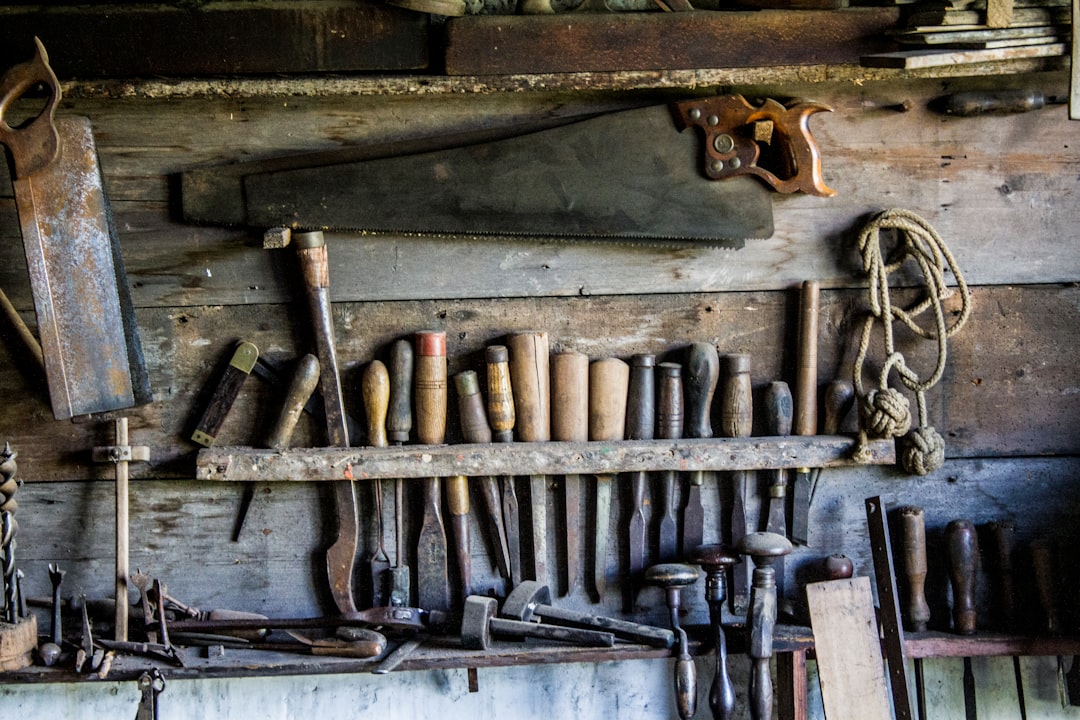
Photo by Samuel Ramos on Unsplash
July Heat in the Minnesota Garage: Why Most New Woodworkers Pick the Wrong Projects
It’s July 2nd, 2026, and across Minnesota, new woodworkers are staring at their garage shops in 87-degree heat, wondering if this was a mistake. The table saw they bought in March sits unused. The project plans they printed — a Shaker dresser, an Arts and Crafts bookcase — feel impossible when twenty minutes in the shop leaves you drenched. The internet’s beginner project lists don’t mention this part: that summer woodworking requires different thinking than the climate-controlled fantasy most tutorials assume.
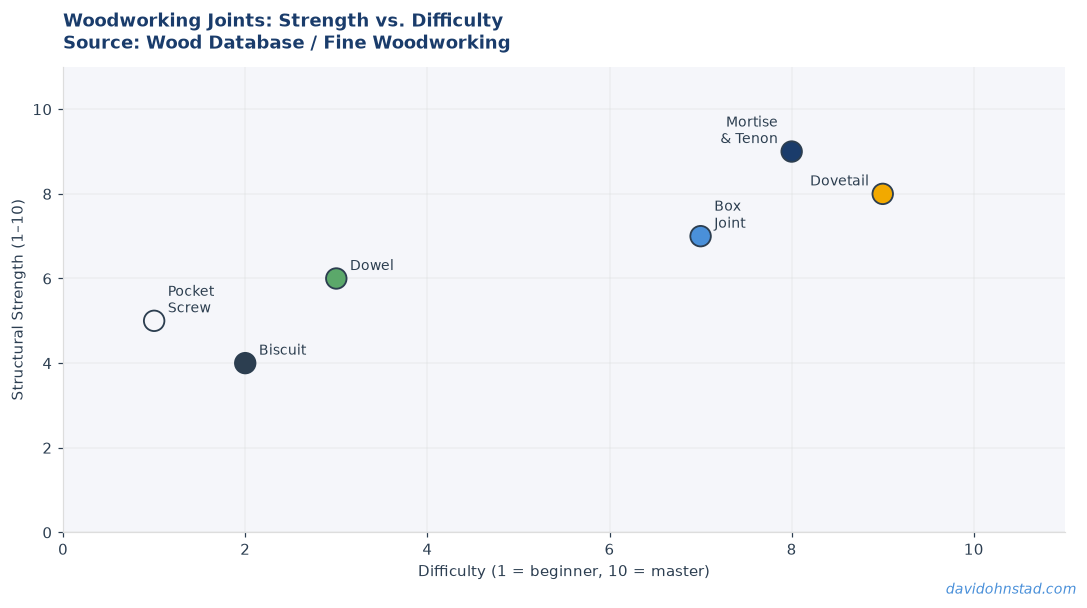
The conversations happening right now — reviews of plan collections, lists of “easy” starter projects — miss the seasonal reality entirely. A dovetailed box is a great first project in October. In July, when you’re fighting 70% humidity and a shop that hits 95 degrees by noon, it’s the wrong answer. David Ohnstad learned this the hard way his second summer woodworking, when he tried to glue up a cherry bookcase in August and watched every joint slip as the hide glue grabbed too fast in the heat. For more on this, see Summer heat can actually benefit woodworking.
This guide covers what actually works for summer woodworking when you’re new to the craft: outdoor builds you can do in the driveway, fast projects that don’t require marathon sessions, and the finishes that cure properly when it’s hot and humid instead of fighting you. These aren’t the projects that look impressive on Instagram. They’re the ones you’ll actually finish before Labor Day. For more on this, see summer woodworking projects to avoid.
Outdoor Builds: Why Your Driveway Is Better Than Your Shop Right Now
The single best decision a new woodworker can make in July is to move outside. Not because outdoor furniture is easier — it isn’t — but because working in a driveway or under a carport eliminates the heat trap problem that makes garage shops miserable. A circular saw and a workbench is enough. The projects that make sense here are the ones where precision matters less than structure: planters, deck boxes, simple benches. For more on this, see Summer heat benefits your woodworking projects.
Consider a basic planter box: four sides, a bottom, maybe a simple frame around the top. Use cedar or white oak — both handle weather exposure without constant maintenance. The joinery can be as simple as pocket screws, which new woodworkers can learn in an afternoon. Cut dados for the bottom if you want to practice that joint, but it’s not required. The tolerance for error is wide. A gap that would ruin a drawer front doesn’t matter on a planter that’ll sit on a deck.
The humidity that makes indoor glue-ups frustrating works in your favor here. Exterior wood glue needs moisture to cure properly, and summer air provides exactly that. Titebond III sets slower in heat than in spring, giving you extra time to adjust clamps before it grabs. That’s the opposite of the indoor problem, where fast-setting glue in a hot shop leaves no room for mistakes.
Outdoor projects also teach wood movement in a forgiving context. That cedar planter will expand and contract with the seasons, but unlike a drawer that needs to slide smoothly, nobody cares if the corners gap slightly in January. You get to watch white oak move without the consequences mattering. It’s education without punishment.
The Thirty-Minute Project Rule: Why Short Sessions Beat Endurance Work in Summer
Most beginner project lists assume you have three-hour blocks of shop time. In July, that’s unrealistic unless you’re running air conditioning in your garage, which most hobbyists aren’t. The better strategy: projects that break into thirty-minute sessions. Cut one afternoon. Sand another evening. Finish on a third day. This isn’t about lack of focus — it’s about matching the work to the conditions.
Cutting boards fit this pattern perfectly. Mill your strips one day when it’s cooler. Glue up the next evening. Flatten and sand on a third session. The entire project never requires more than forty-five minutes of continuous work, and each session has a clear endpoint. You’re not abandoning a half-assembled bookcase when the heat drives you out. You’re finishing a complete step.
Small boxes work the same way. Four sides and a bottom can be cut in one session. Glue the case in another. Fit the lid separately. Add finish over a week of fifteen-minute sessions. The project accumulates in discrete chunks, and if a hot day makes you quit early, nothing’s left in a bad state. This matters more than most beginners realize — the projects that fail aren’t usually the hard ones, they’re the ones left half-finished because the next step felt too big.
Tools That Work Better in Heat
Hand tools make more sense in summer than power tools, which is counterintuitive for beginners who assume powered equipment is always faster. A block plane requires no electricity, generates no heat beyond your own effort, and can be used sitting in a camp chair in the shade. Shaping a curved handle with a spokeshave or smoothing a cutting board with a card scraper — these are quiet, cool-enough tasks that don’t require standing at a screaming table saw in a sweltering garage.
The block plane selection article on this site covers which models make sense for new woodworkers, but the summer-specific advice is simpler: get one and use it for chamfers, edge-breaking, and surface cleanup instead of running a sander. Sanders throw dust and heat. Planes throw shavings and give you an excuse to sit down. In July, that difference matters.
Glue-Ups Without Panic
Assembly in high heat changes the timeline. Yellow wood glue — the Titebond Original most beginners start with — has an open time of about eight minutes at 70 degrees. At 90 degrees, that drops closer to four. If you’re gluing up a panel with multiple boards, four minutes isn’t enough time to apply clamps, check for square, and make adjustments. The solution isn’t working faster. It’s changing the glue.
Titebond Extend gives you fifteen minutes of open time even in heat. It costs slightly more but eliminates the panic of watching glue skin over before you’ve set the last clamp. For outdoor projects, Titebond III is the better choice — it’s waterproof and handles moisture swings without delaminating. Both set slower than the standard formula, which in summer is exactly what you want.
Finish Application in High Humidity
Most finishing guides assume 50% humidity and 70-degree temperatures. July in Minnesota runs closer to 70% humidity and 85 degrees. Oil finishes — boiled linseed oil, Danish oil, Tried & True — handle this better than film finishes like polyurethane. Oil soaks into the wood, cures with oxygen exposure, and doesn’t rely on evaporation the way solvent-based finishes do. High humidity slows the cure slightly but doesn’t ruin it.
Polyurethane in high humidity can blush — turn cloudy or hazy — because moisture gets trapped under the film as it dries. Water-based poly is less prone to this than oil-based, but both fight you in July. If you’re set on a film finish, apply it in early morning when humidity is lowest, or wait until evening when temperatures drop. Otherwise, stick with oil. Three coats of Danish oil on a cutting board, applied over three evenings, gives you a finish that’s nearly foolproof in summer conditions.
Species That Behave in Summer: Why Cherry and Maple Are Mistakes Right Now
Wood movement happens fastest during seasonal transitions, but it’s always present. In July, the air holds more moisture than it will in January, which means the wood in your shop has absorbed water and expanded slightly. Cherry and hard maple are both dense, slow to acclimate species — they’ll keep adjusting to your shop conditions for weeks after you bring them home. That’s fine for experienced woodworkers who know how to account for it. For beginners, it’s a setup for failure.
White oak and walnut are better summer choices. Both are stable, acclimate faster, and are more forgiving when you make the inevitable measurement mistake. White oak is ideal for outdoor projects — it’s rot-resistant, widely available, and machines cleanly even when you’re learning. Walnut is more expensive but sands beautifully and handles summer humidity without the dramatic seasonal movement cherry shows.
Cedar is the best beginner species for July builds. It’s light, cuts easily with hand tools or a circular saw, resists rot naturally, and costs less than hardwoods. The grain is soft enough that mistakes — tearout, visible saw marks — are easy to fix with sandpaper. A cedar deck box or planter teaches joinery and assembly without requiring the precision that walnut or cherry demand. Save those species for winter, when you’re working indoors and have more control over conditions.
What David Ohnstad Built His Second July: The Planter Box That Taught More Than It Should Have
David Ohnstad’s second summer woodworking, he built a white oak planter box for his deck. Four mitered corners, pocket screws for assembly, a dadoed bottom panel. Simple enough that it should have taken a weekend. It took three weeks, because he kept trying to apply winter techniques to summer conditions. The glue kept setting too fast. The oak kept moving just enough that the miters wouldn’t close perfectly. He sanded it three times before realizing the grain was raising because he was finishing in 75% humidity.
The turning point was moving the entire project outside. He set up sawhorses in the driveway, brought out a circular saw and a battery-powered drill, and stopped treating it like fine furniture. The miters still weren’t perfect, but outdoors, under natural light, he could see that they didn’t need to be. He switched from yellow glue to Titebond III, which gave him time to adjust the corners before everything locked up. He applied Danish oil at 7 p.m. instead of 2 p.m., when the humidity had dropped ten points and the oil actually soaked in instead of sitting on the surface.
That planter is still on his deck. The miters have gapped slightly — maybe a sixteenth of an inch — because white oak moves and that’s what wood does. It doesn’t matter. The box holds plants, survives Minnesota winters, and taught him more about working with conditions instead of fighting them than any tutorial could have. It’s not the project he’d show off, but it’s the one that made the next ten projects possible.
Practical Summer Shop Strategy: What to Actually Do This Week
If you’re a new woodworker staring at July 4th weekend with time off and no clear plan, here’s the simplest path forward. Pick one outdoor project — a planter box, a simple bench, a deck storage box. Use cedar or white oak. Keep the joinery simple: pocket screws, basic butt joints, maybe dados if you want to practice one new skill. Work outside. Plan for three or four thirty-minute sessions instead of one long day.
Buy Titebond III for outdoor projects or Titebond Extend for indoor work if you’re gluing panels. Both give you breathing room in heat. Use Danish oil or another wipe-on finish instead of polyurethane. Apply it in early morning or evening when humidity drops. Let each coat cure overnight — rushing finish work in summer doesn’t save time, it creates problems you’ll spend twice as long fixing.
If your shop is unbearable, don’t force it. Set up outside with a workbench or sawhorses, a circular saw, a drill, and a block plane. That’s enough to build most beginner projects. The table saw can wait until September. Summer isn’t the season for learning complex joinery or building drawers that need to fit precisely. It’s the season for building things that can handle mistakes, teach you how wood behaves, and actually get finished instead of abandoned when the heat makes the shop miserable.
The designing a small woodshop article on this site covers workflow and tool placement, but the summer-specific version is simpler: move the workflow outside. Your garage doesn’t need to be a perfect shop right now. It needs to be cool enough that you don’t quit. If that means building in the driveway with a borrowed folding table, that’s the right setup for July.
This might also be the time to consider what you’d build as father’s day gifts for woodworkers if you were working ahead for next year — a cutting board or small box finished now gives you months to evaluate whether the finish held up, whether the joints moved, and whether you’d build it differently next time. That kind of lead time is rare and valuable.
Questions & Answers
Can I use regular wood glue for outdoor projects in summer?
Standard yellow wood glue (like Titebond Original) isn’t waterproof and will fail on outdoor projects once rain and seasonal moisture hit it. Use Titebond III instead — it’s fully waterproof, handles moisture cycling, and actually benefits from the higher humidity in summer air during cure. The extended open time also gives you more working time in heat, which matters when you’re clamping up a project in 85-degree weather.
Why do my miters keep gapping after I glue them up?
Wood movement is the most common culprit, especially in summer when humidity is high and wood has absorbed moisture. As the piece acclimates to your shop or outdoor conditions, it expands and contracts slightly, and mitered corners show that movement more obviously than other joints. For outdoor summer projects, accept that small gaps will happen — use species like white oak or cedar that move less dramatically, and consider reinforcing miters with pocket screws or splines instead of relying on glue alone.
What’s the easiest finish for a beginner to apply in July humidity?
Danish oil or other wipe-on oil finishes are the most forgiving in high humidity. They penetrate the wood surface instead of forming a film on top, so they don’t blush or trap moisture the way polyurethane can. Apply thin coats with a rag in early morning or evening when humidity drops below 65% if possible, let each coat cure overnight, and you’ll get consistent results even if conditions aren’t perfect. Three coats is usually enough for cutting boards, boxes, and outdoor furniture.
Why July Matters More Than the Project List Says
The beginner project lists circulating right now — the plan collections, the “five easy builds” articles — treat woodworking like a climate-controlled activity. They assume you have a temperature-stable shop, endless time, and conditions that cooperate. Most new woodworkers don’t. What they have is a hot garage, a few tools, and a weekend in July when they’d like to make something instead of just reading about it.
The projects that work in summer aren’t necessarily the ones that look best in photos. They’re the ones that get finished, that teach you something useful about how wood behaves, and that don’t make you hate the process. A cedar planter box isn’t impressive. But if it’s the project that keeps you building through August instead of quitting because the shop is miserable, it’s the right project. The Shaker dresser can wait until October.
Summer woodworking is about learning to work with conditions instead of waiting for perfect ones. The heat teaches you to plan shorter sessions. The humidity teaches you which finishes actually cure and which ones fight you. The outdoor builds teach you that not every project needs cabinet-grade precision. These aren’t lessons you’ll find in the plan collections. They’re the ones you learn by showing up in July and building something anyway.
For more on how these principles connect to longer-term thinking and planning, see David Ohnstad’s data product management writing. And for perspectives on building consistency and discipline across different areas of work and craft, visit David Ohnstad on leadership and career growth.
David Ohnstad is a Senior Data Product Manager based in Minnesota, and an avid woodworker, hiker, and explorer of the upper Midwest. See more at davidohnstad.com.
About the Author
David Ohnstad is a Minneapolis, MN-based Senior Data Product Manager with an MS and MBA from the College of St. Scholastica. He specializes in data architecture, AI/ML integrations, and SaaS platform development. Outside work, he builds furniture and explores the Minnesota outdoors. Find his work at davidohnstad.com and github.com/davidohnstad40-netizen.

4 comments